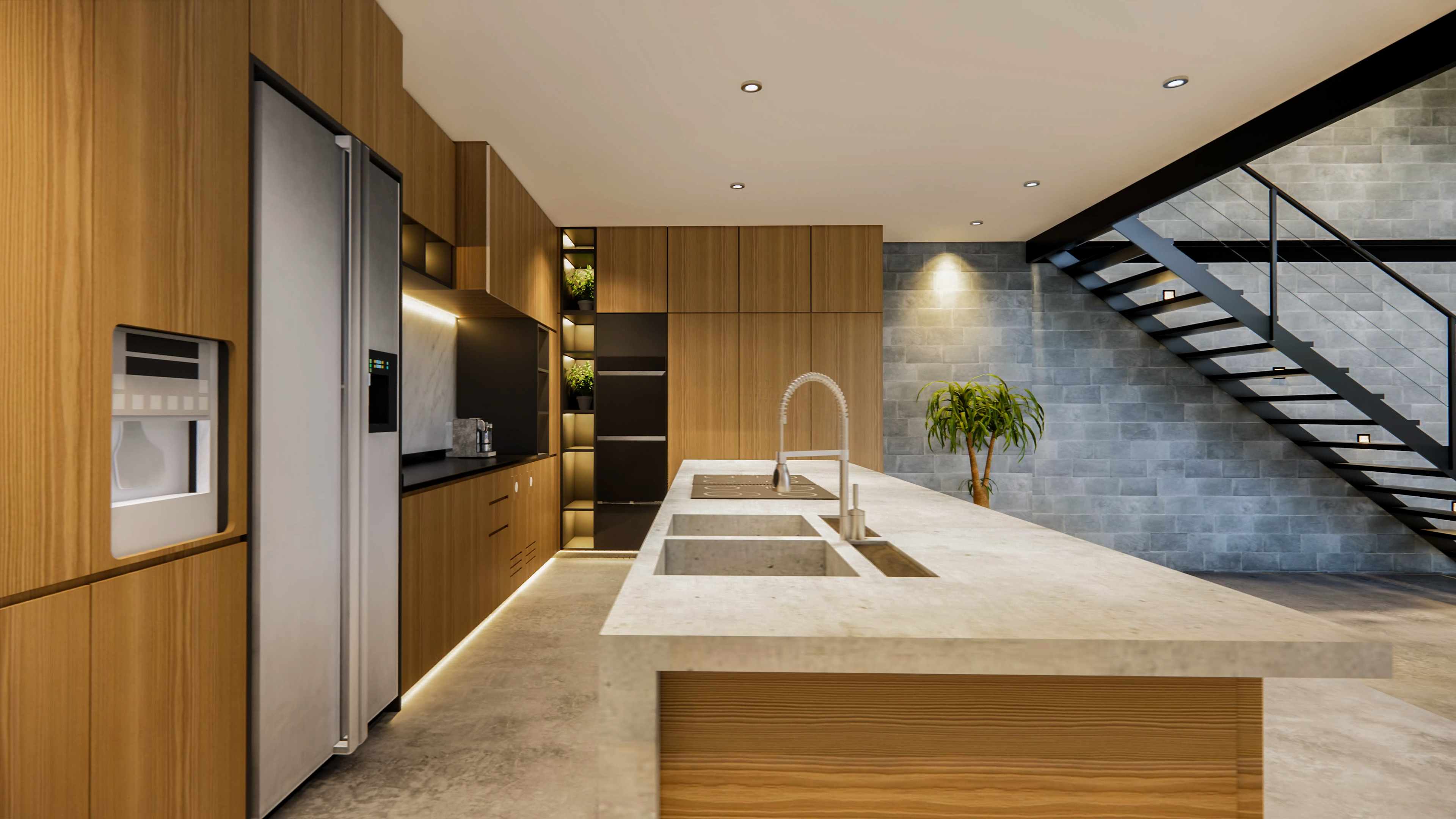
Buying a home is a major decision, and a site visit is one of the best opportunities to evaluate a property beyond brochures, floor plans and photographs.
But simply walking through the model home is not enough. A good site visit should help you understand how the project actually feels, functions and fits into your everyday life.
1. Look at the Actual Layout
Start with the home itself. Walk through each room and pay attention to how the spaces connect.
Ask yourself:
-
Does the living room have enough usable space?
-
Is there a natural flow between the kitchen and dining area?
-
Are the bedrooms positioned for privacy?
-
Can your existing furniture fit comfortably?
-
Is there enough storage potential?
A floor plan may look good on paper, but walking through the actual space can reveal details that are difficult to understand from a brochure.
2. Pay Attention to Natural Light
Visit the home at different times of the day if possible. Observe which rooms receive natural light and how much of it enters the home.
Look at window placement, the direction of the home and whether neighbouring buildings significantly affect the light.
Natural light can influence how a home feels throughout the day, so it is worth evaluating before you make a decision.
3. Check Ventilation and Airflow
Open the windows and doors. Notice how air moves through the rooms.
Cross-ventilation, window placement and the relationship between different openings can make a noticeable difference to everyday comfort.
Instead of simply asking whether a home is “well ventilated,” experience it yourself during the visit.
4. Listen to the Surroundings
Noise is another factor that photographs cannot show you.
Spend a few minutes quietly observing the environment. Listen for traffic, construction activity, nearby commercial areas, lifts, common spaces and other potential sources of noise.
If possible, visit at different times to understand how the sound levels change throughout the day.
5. Explore the Common Areas
Don't stop at the apartment.
Walk through the entrance, corridors, parking areas, amenities and other shared spaces. Look at how easily you can move through the project and whether the common areas appear practical for everyday use.
For a residential project, these spaces become part of your daily experience too.
6. Look Beyond the Project
The property may be your home, but the neighbourhood becomes part of your everyday routine.
Check the roads leading to the project, nearby conveniences, access to workplaces, schools, healthcare and other essentials.
A good-looking apartment in an inconvenient location may not work as well for your daily life.
7. Observe the Construction and Finishes
If the project is under construction, look beyond the sample apartment.
Pay attention to visible construction practices, common-area finishes, materials and the overall progress of the development.
For a completed project, inspect the actual finishes, fittings and common areas rather than relying only on specifications listed in the brochure.
8. Ask Questions
A site visit is also your opportunity to get clarity.
Ask about maintenance, parking, handover timelines, amenities, specifications, association-related matters and any other detail that could influence your ownership experience.
Don't hesitate to ask questions simply because they seem small. Small details can matter considerably over years of living.
Make Your Site Visit Count
A site visit should not feel like a sales presentation. It should help you make an informed decision.
At Hallmark Builders, projects such as Treasor, Skyrena, Sunnyside and Nature Nest give prospective homebuyers an opportunity to explore the development and understand the homes beyond what appears in a brochure.
Before you make the decision, walk through the home, observe the project, explore the neighbourhood and ask the questions that matter to you.
Because the right home is not just one that looks good on paper. It is one that makes sense when you experience it for yourself.

 Whatsapp
 back to lists