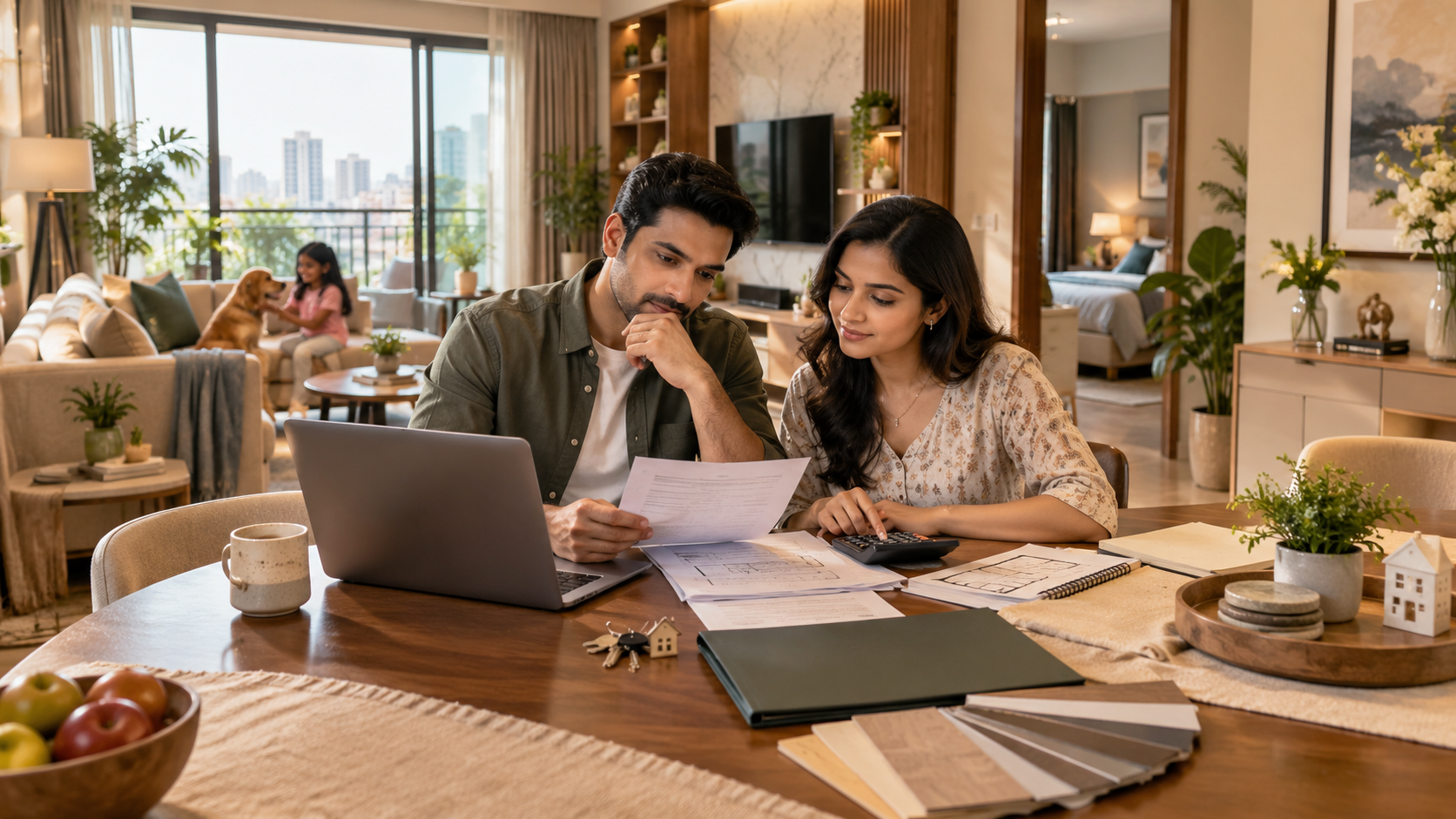
Buying a home is one of the biggest financial decisions most people make.
Naturally, the first number buyers look at is the purchase price. But the actual cost of owning a home does not end when the sale is completed.
There are several ongoing expenses that can influence the total cost of ownership over the years. Understanding them before you buy can help you make a more informed and financially comfortable decision.
Because the right home is not simply one you can afford to purchase. It is one you can comfortably afford to own.
The Purchase Price Is Only the Beginning
The cost of a home can include much more than the quoted price per square foot.
Depending on the property and transaction, buyers may also need to account for registration charges, taxes, parking, applicable statutory charges, interiors, and other associated expenses.
Understanding the complete initial outlay gives you a clearer picture of what your actual investment looks like.
Interiors Can Change the Budget Significantly
Once you receive your home, you may want to personalise it.
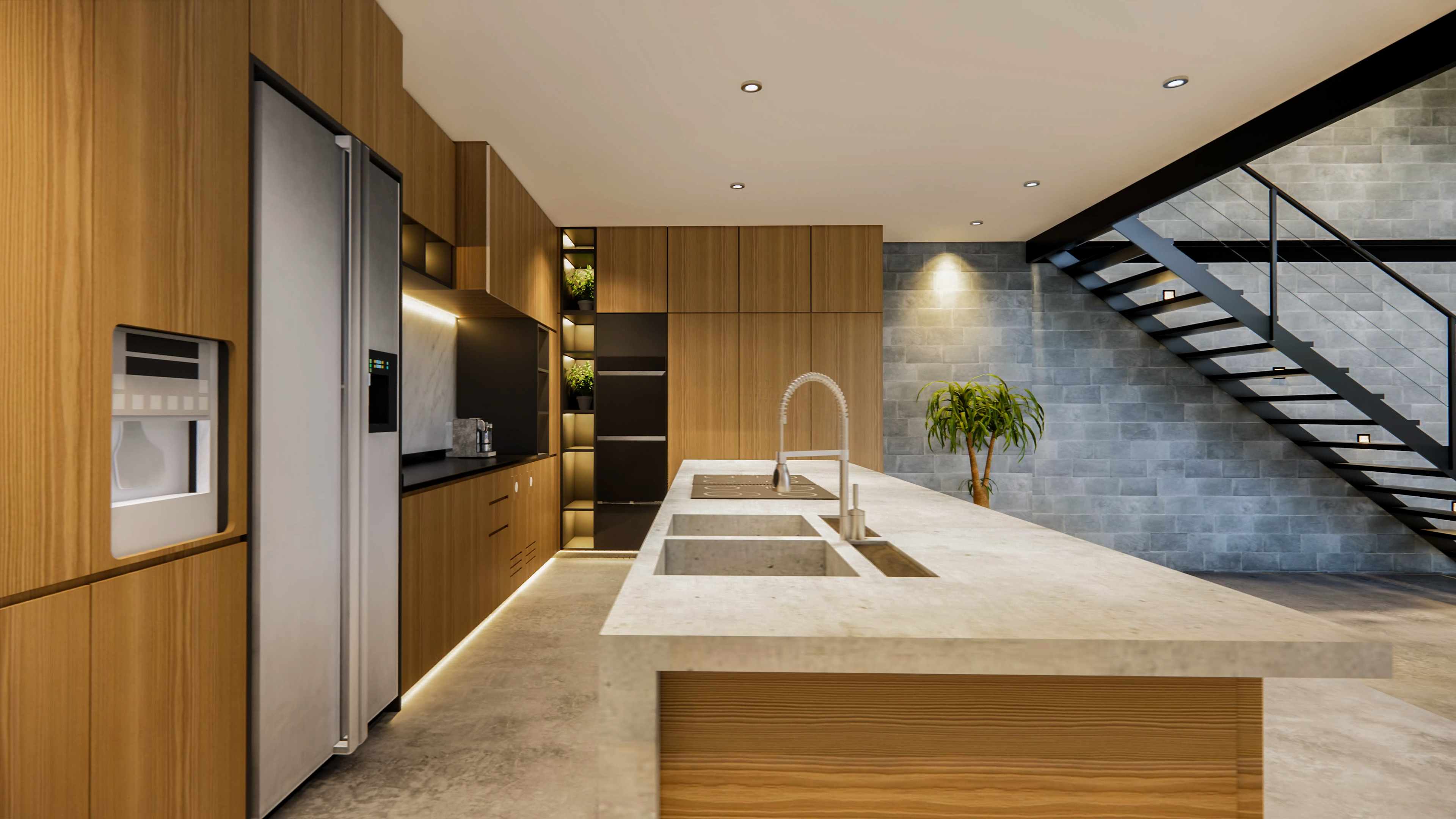
Wardrobes, modular kitchens, lighting, curtains, furniture, appliances, storage solutions, and other interior elements can add significantly to the initial cost of setting up a home.
The amount varies depending on your preferences and the level of customisation you choose.
This is why it is useful to keep an interiors budget separate from the property purchase budget.
Maintenance Is a Long-Term Expense
Every residential community requires regular upkeep.
Common-area maintenance, security, landscaping, lifts, cleaning, clubhouse or amenity maintenance, repairs, and other shared services contribute to the ongoing maintenance cost of a property.
Before purchasing, buyers should understand what the maintenance structure looks like and what services are included.
A property that is well maintained can offer a better living experience over time, but maintenance is an important recurring cost that should be considered from the beginning.
Utilities Add Up Over Time
Electricity and water are obvious expenses, but the efficiency of a home can influence how much you spend on them.
Natural light, ventilation, efficient fixtures, appliance choices, insulation, and thoughtful planning can all contribute to how efficiently a home operates.
While individual usage varies considerably, paying attention to these factors during the buying process can help you think beyond the initial purchase price.
Repairs and Replacements Are Part of Ownership
No home remains completely maintenance-free forever.
Over time, appliances may need replacement, fixtures may require repairs, and certain elements of the home may need upgrading or servicing.
These expenses may not occur every month, but they are part of long-term ownership.
Keeping an emergency or home-maintenance fund can help ensure that unexpected expenses do not become a financial burden.
Amenities Also Have a Cost
Amenities can significantly enhance the residential experience. Gyms, clubhouses, swimming pools, landscaped spaces, recreational facilities, and community areas can add convenience and lifestyle value.
However, amenities also require maintenance and operational resources.
When comparing properties, it is useful to understand not just which amenities are offered, but also how they are maintained and what their long-term contribution to maintenance costs may be.
Quality Can Influence Long-Term Value
The cheapest option at the time of purchase is not necessarily the most economical option over the long term.
Materials, fixtures, construction quality, planning, and maintenance requirements can all influence how a property performs over the years.
A well-planned home can potentially reduce avoidable inconvenience and maintenance requirements while contributing to a more comfortable ownership experience.
The objective should therefore be to evaluate value, not just price.
Think in Terms of Total Cost of Ownership
Before making a purchase, create a simple checklist:
Initial costs
Recurring costs
Long-term costs
-
Repairs
-
Replacements
-
Renovations
-
Upgrades
This approach gives you a more realistic understanding of what owning the home could involve.
The Right Home Fits Your Life and Your Budget
A home should provide comfort, convenience, and long-term value without creating unnecessary financial pressure.
Looking only at the purchase price can make it easy to overlook the expenses that come later. Looking at the complete ownership picture allows you to make a decision with greater clarity.
At Hallmark, thoughtful planning goes beyond creating spaces that look good on the day you move in. It is about creating homes designed for comfortable, practical living over the years.
Because the true value of a home is not measured only by what you pay to buy it.
It is also reflected in how well it serves you after you own it.

 Whatsapp
 back to lists